


The Brain Science of Motivation: A Journey into Your Mind’s Powerhouse

Updated: Sep 15
Motivation is that invisible spark that ignites our actions, fuels our ambitions, and keeps us moving forward even when the going gets tough. But have you ever wondered what’s really happening inside your brain when you feel motivated?
What if I told you that understanding the brain science and motivation could unlock new levels of performance and personal growth?
Let’s start with the basics. Motivation isn’t just a vague feeling or a fleeting mood. It’s a complex biological process rooted in your brain’s wiring. At the heart of this process lies a network of brain regions working in harmony to push you toward your goals.
Brain Science and Motivation: The Powerhouse Behind Your Drive

The dopamine system is the superstar here. Dopamine, often called the “feel-good” neurotransmitter, plays a crucial role in reward, pleasure, and motivation. When you anticipate a reward or achieve a milestone, dopamine floods your brain, creating a sense of satisfaction and encouraging you to keep going.
But it’s not just about pleasure. The prefrontal cortex, the brain’s executive center, helps you plan, make decisions, and regulate impulses. It’s like the CEO of your brain, balancing short-term desires with long-term goals. When this area is active, you’re better equipped to stay focused and motivated, even when distractions lurk.
And don’t forget the amygdala, the emotional hub. It processes fear and stress, which can either hinder or boost motivation depending on how you manage them. Understanding these brain regions gives you a roadmap to harness your motivation more effectively.
Harness Brain Science and Motivation for Peak Performance
Knowing the brain’s role in motivation is one thing. Applying it to your daily life and leadership is where the magic happens. Here are some practical strategies grounded in brain science to boost your motivation and performance:
Set Clear, Achievable Goals
Your brain loves clarity. When goals are specific and attainable, the dopamine system kicks in more reliably. Break big projects into smaller milestones to keep that reward system firing regularly.
Create Positive Feedback Loops
Celebrate small wins. Whether it’s a quick “well done” or a moment of reflection, positive reinforcement strengthens neural pathways associated with motivation.
Manage Stress Smartly
Moderate stress can heighten focus and motivation, but chronic stress shuts down the prefrontal cortex. Practice mindfulness, deep breathing, or short breaks to keep stress in check.
Visualize Success
Visualization activates similar brain areas as actual performance. Spend a few minutes imagining yourself succeeding to prime your brain for action.
Stay Physically Active
Exercise boosts dopamine and endorphins, improving mood and motivation. Even a short walk can reset your brain’s chemistry.
By integrating these tactics, you’re not just hoping to feel motivated—you’re rewiring your brain to crave and sustain motivation.
The Role of Neuroplasticity in Motivation: Your Brain’s Ability to Change
Here’s a game-changer: your brain is not fixed. Thanks to neuroplasticity, it can rewire itself based on your experiences and habits. This means motivation isn’t just a trait you’re born with. It’s a skill you can develop.
When you consistently practice motivated behaviors, like goal-setting or positive self-talk, you strengthen the neural circuits that support motivation. Conversely, negative patterns can weaken these pathways.
So, how do you leverage neuroplasticity to boost motivation?
Create New Habits: Start small. Repetition is key to forming new neural connections.
Challenge Yourself: Novelty and learning stimulate brain growth and motivation.
Reflect and Adjust: Regularly assess what motivates you and tweak your strategies.
By embracing neuroplasticity, you’re essentially training your brain to become a motivation powerhouse.

Motivation in Leadership and Organizations: Applying Brain Science at Scale
Motivation isn’t just personal. It’s a critical factor in leadership and organizational success. Leaders who understand the brain science and motivation can inspire teams, drive innovation, and cultivate a culture of high performance.
Here’s how to apply these insights in leadership:
Communicate Clear Vision and Purpose
When people understand the “why,” their dopamine systems light up. Purpose fuels passion and persistence.
Foster Autonomy and Mastery
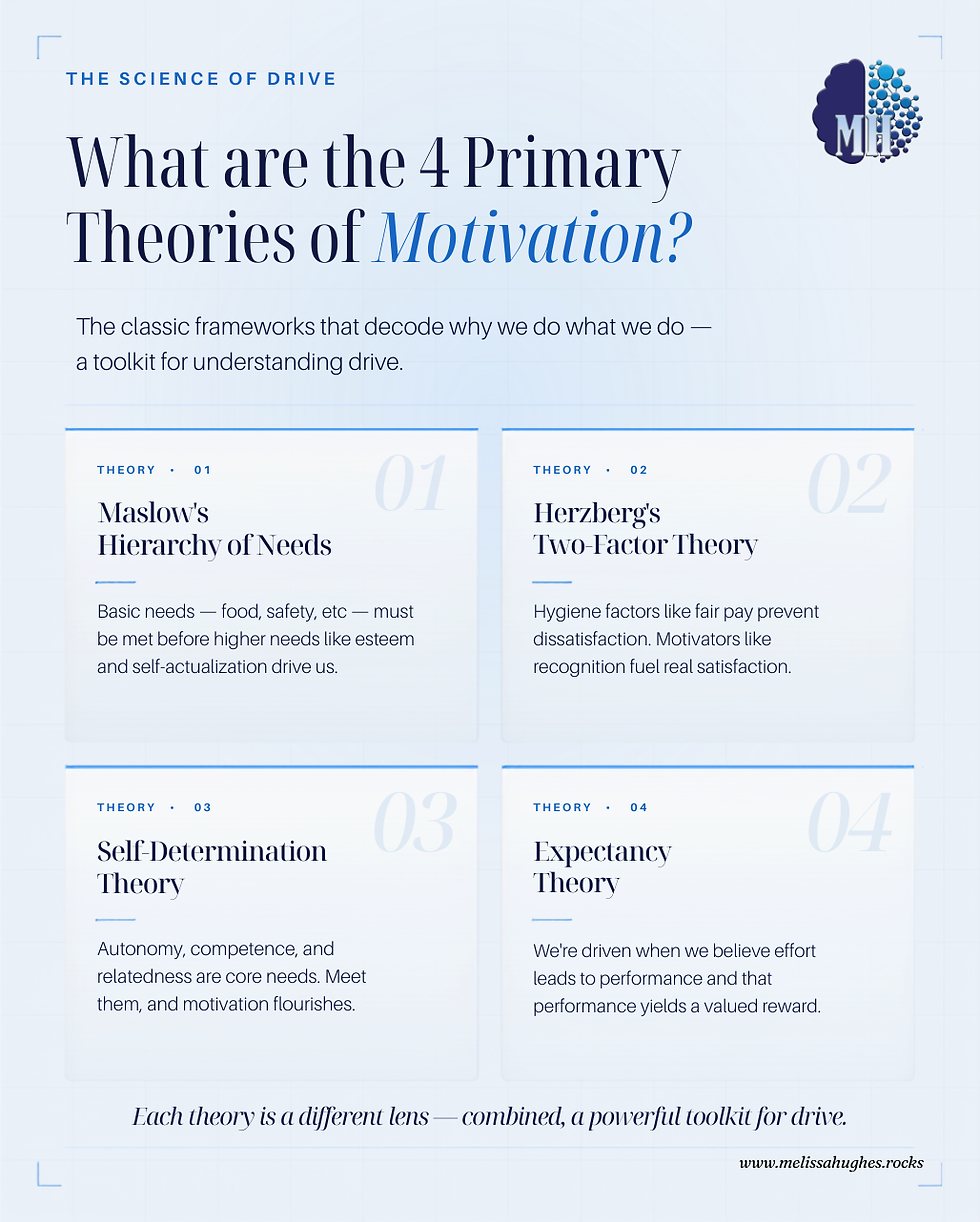
Give team members control over their work and opportunities to develop skills. This taps into the self-determination theory’s core needs.
Recognize and Reward Effort
Timely recognition activates reward circuits and reinforces motivated behavior.
Support Psychological Safety
A safe environment reduces amygdala-triggered fear responses, allowing creativity and risk-taking.
Encourage Growth Mindset
Promote the belief that abilities can be developed. This mindset aligns with neuroplasticity and sustains motivation through challenges.
By embedding brain-based motivation strategies, organizations can unlock untapped potential and elevate performance.
Your Next Step: Ignite Your Motivation Engine Today
Now that you’ve peeked inside the brain’s motivation engine, it’s time to take action. Motivation isn’t a mystery. It’s a practical, accessible force you can harness every day.
Start by experimenting with one or two strategies from this post. Set a clear goal, celebrate a small win, or try a quick mindfulness exercise. Notice how your brain responds and build from there.
Remember, motivation is a journey, not a destination. With the right brain science insights and a playful, persistent spirit, you can unlock new levels of energy, focus, and achievement.
So, what will you do today to fuel your motivation?


Comments