


Hospitality Science
Explore the neuroscience, behavioral science, and psychology behind exceptional hospitality so you can design better guest experiences, support healthier teams, and create more memorable service.

WHAT IS HOSPITALITY SCIENCE?
Hospitality science is the study of how people think, feel, decide, remember, and connect in hospitality settings. It combines insights from:
-
neuroscience
-
psychology
-
behavioral science
-
customer experience design
-
emotional intelligence
-
organizational behavior
In simple terms: hospitality science helps us understand what makes guests feel welcome, safe, seen, and eager to return.
WHY BRAIN SCIENCE MATTERS
Guests do not experience hospitality objectively. Their brains are constantly scanning for:
-
safety
-
relevance
-
comfort
-
belonging
-
ease
-
trust
That means the guest experience is shaped not only by what happens, but by how it feels. A warm greeting, a confusing menu, a long wait, or a thoughtful detail can all influence perception, memory, and loyalty.

Guest Experience
The Guest Experience Through a Scientific Lens
Team Performance
A great guest experience depends on a healthy team. Hospitality work is emotionally demanding, and stress can spread quickly. Burnout, vicarious stress, and emotional labor affect not just employee well-being, but service quality.
Hospitality science helps leaders understand how to:
-
reduce stress
-
support resilience
-
create psychological safety
-
improve communication
-
strengthen engagement
-
protect team energy

When teams feel supported, guests feel it too.
Multisensory Factors

The physical environment is never neutral. Long before a guest evaluates the food, service, or price, their brain is already responding to sensory cues in the space. Lighting can energize or calm. Sound levels can create comfort or cognitive fatigue. Music can influence pace, mood, and even how long people stay.
Layout and spacing shape whether an environment feels smooth and welcoming or crowded and chaotic. These signals are processed quickly and often subconsciously, yet they have a powerful effect on how people feel the moment they walk in.
Hospitality science helps leaders design spaces with intention. Color, menu design, signage, and visual clarity all affect decision-making and ease. When guests do not have to work to understand where to go, what to choose, or how to navigate the experience, stress decreases and satisfaction rises. Thoughtful sensory design creates an atmosphere that feels effortless, memorable, and worth returning to.
Wired to Connect
Hospitality has always been more than transactions. People may come for the food, room, or service, but they return because of how they felt. The human brain is wired to scan for signals of connection, and even the smallest interactions can shape that experience.
Eye contact communicates presence. Using someone’s name creates recognition. Warmth in tone or expression lowers social distance. When guests feel seen instead of processed, the experience immediately becomes more meaningful.
These moments may seem small, but they carry outsized impact. Listening without rushing, timing an interaction well, showing empathy when something goes wrong, or adding a thoughtful personal touch can build trust in seconds. That trust becomes comfort, loyalty, and emotional memory. In a world full of automation and convenience, genuine connection is still one of the most powerful advantages hospitality can offer.

Hospitality Science in Action
Practical application
-
simplify menus and choices
-
train for emotional intelligence
-
design calmer environments
-
create consistent rituals
-
reduce decision fatigue
-
improve service recovery
-
support team well-being
-
build memorable moments
-
strengthen guest belonging
-
improve customer loyalty
core principles
-
People remember emotion more than detail
-
The brain prefers clarity over complexity
-
Safety and belonging build trust
-
Stress changes behavior
-
Small moments shape long-term loyalty
-
Teams influence guest experience
-
Consistency creates confidence
-
Dining is multisensory
-
The peak emotional event can change the perception of the entire experience.

 |  |  |  |
|---|---|---|---|
 |  |
Related Articles
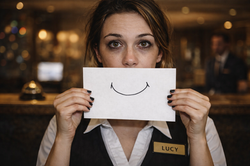 Hospitality Burnout: Why Even Your Best People Feel Drained |  The Magic of Number Seven |  The Framing Effect in Hospitality |
|---|---|---|
 The Neuroscience of Hyper-Targeted Marketing Strategies |  When Guest Complaints Go Public, Pressure Moves Inside |  The Science of Customer Loyalty |
 Predictably Biased: The Hidden Psychology in Hospitality |
Hospitality Keynotes That Move
People and Performance
Today’s hospitality leaders are navigating more than operations. They are managing rising expectations, labor pressure, guest loyalty challenges, and teams that need more than scripts to succeed. That is where my keynotes are different. I blend neuroscience, behavioral science, and real-world hospitality strategy to help audiences understand what drives guest decisions, team culture, and memorable experiences. The result is practical insight people can use immediately.
These sessions are high-energy, science-backed, and built for the realities of hospitality. Your audience will laugh, think, and leave with tools they can apply the very same day. From guest psychology and service perception to leadership, communication, and culture, every keynote is designed to inspire action and create measurable impact. Because when people understand how humans actually think, feel, and decide, hospitality gets smarter.
Popular Topics Include:
-
The Science Behind Exceptional Guest Experiences
-
Brain-Based Leadership for Hospitality Teams
-
Creating Culture That Keeps Great People
-
Hospitality That Rocks: Turning Service into a Standout Experience
Ideal For:
Conferences • Leadership Events • Franchise Meetings • Management Retreats • Team Development • Association Events